Relationship
Workers who know the person: how they communicate, what they enjoy, what matters to them, and what helps them feel at ease.
Programs
Programs aren't chosen from a standard catalogue. They're shaped around each person's interests, routine, and goals, then run consistently by familiar support workers — here's what that can look like week to week in Canberra.
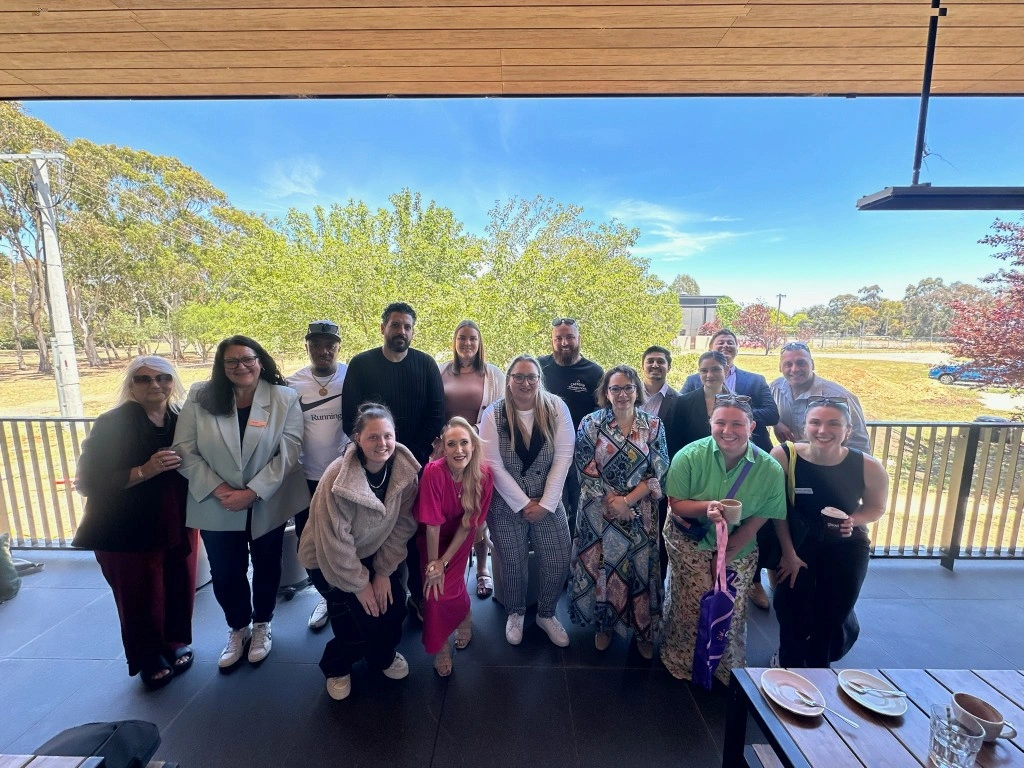
Out in the community
Engagement, routine, and connection.
Our approach
The activity matters less than how support is designed. We start with the person, not a pre-set program list.
We take time to understand interests, communication style, routines, goals, therapy recommendations, and what matters to their family before anything is scheduled.
Structured support is built around them, at home and in the community, around the rhythm of a real week.
The same familiar workers show up, week after week, so trust and routine can actually build.
Much of meaningful daily life happens one-on-one — the same familiar workers, building trust and routine over time.
Activities at home. Interests reflected in the person's own space, whether that's a project, a hobby, a daily ritual, or simply a home environment that feels like theirs.
Community outings. The same workers in everyday places (cafés, local venues, events, and time with friends), not just escort to appointments.
Therapy reinforcement. Everyday activities can reinforce goals between appointments: mobility, independence, and confidence built through the rhythm of a real week.
Trust in the details. Favourite places, personal routines, small gestures that show someone's preferences are remembered. Support that feels genuinely personal.
Personal and daily living support is part of NDIS delivery where funded, always in service of engagement and routine, not as passive task coverage.
This page focuses on what support feels like in practice. View NDIS services in Canberra.
Group programs
Group programs stay around six participants, designed for connection, not crowd management.
Participants join the same small group each week, structured gatherings where people know each other, build routine together, and stay engaged in shared experiences.
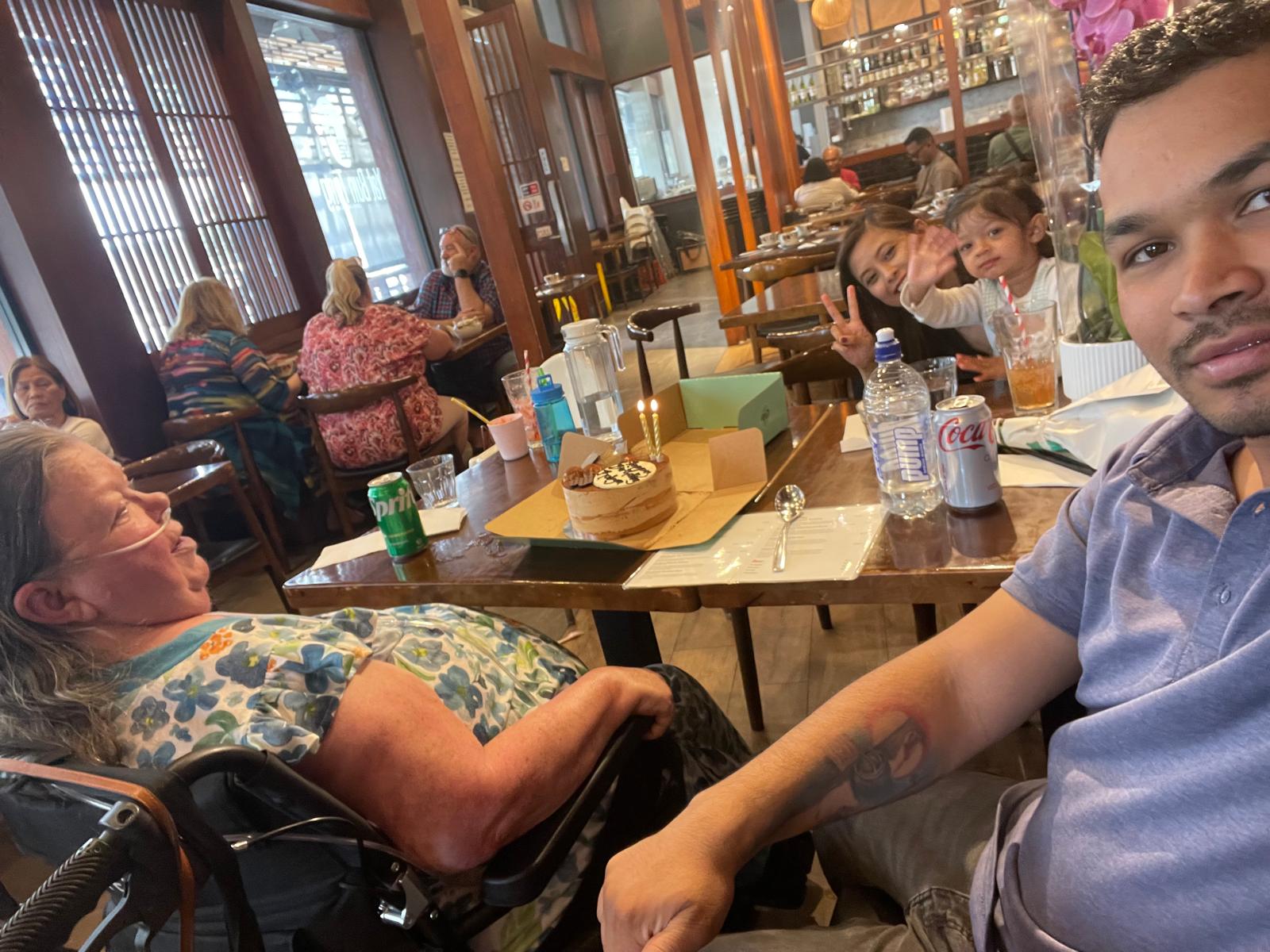
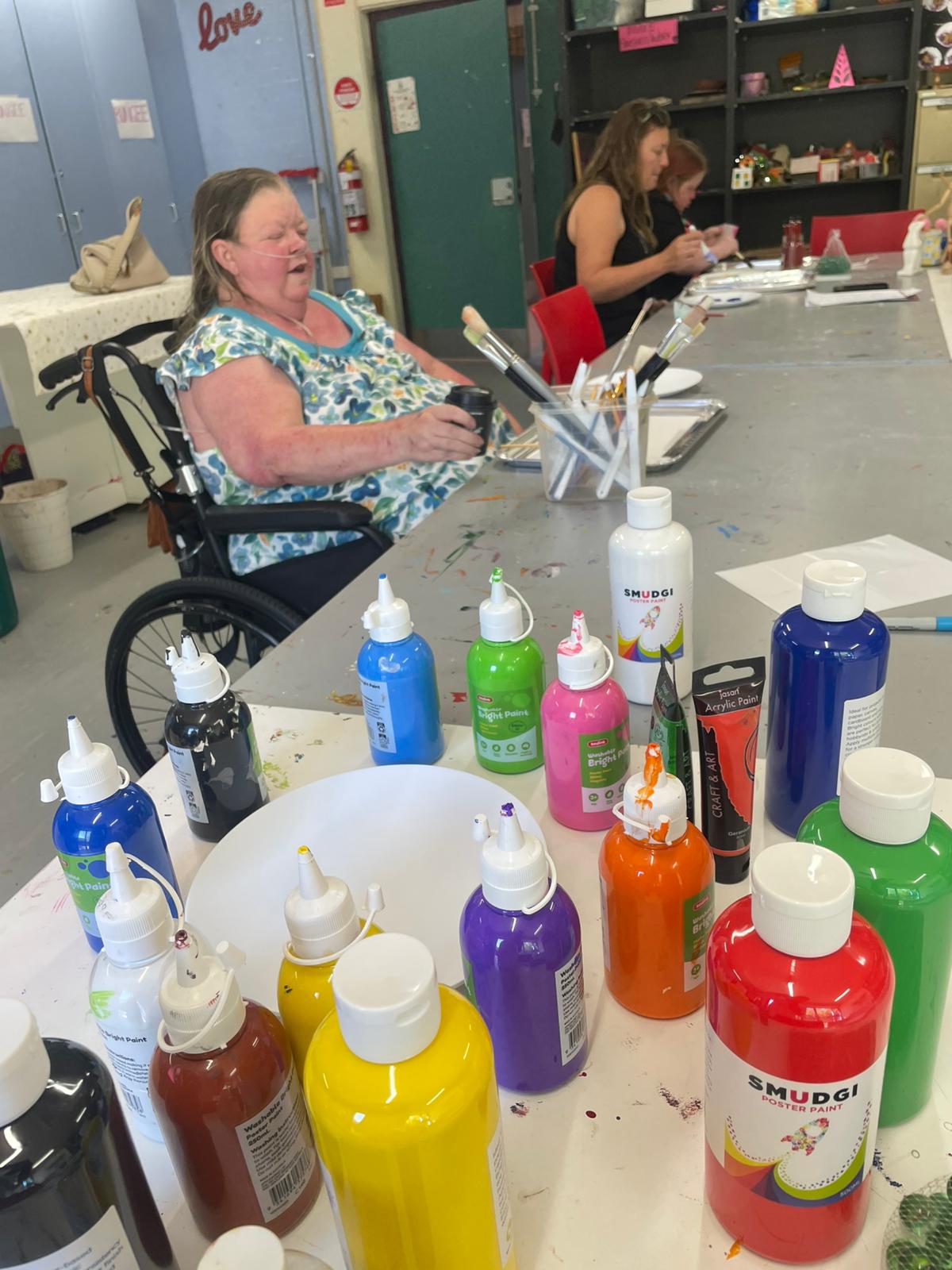
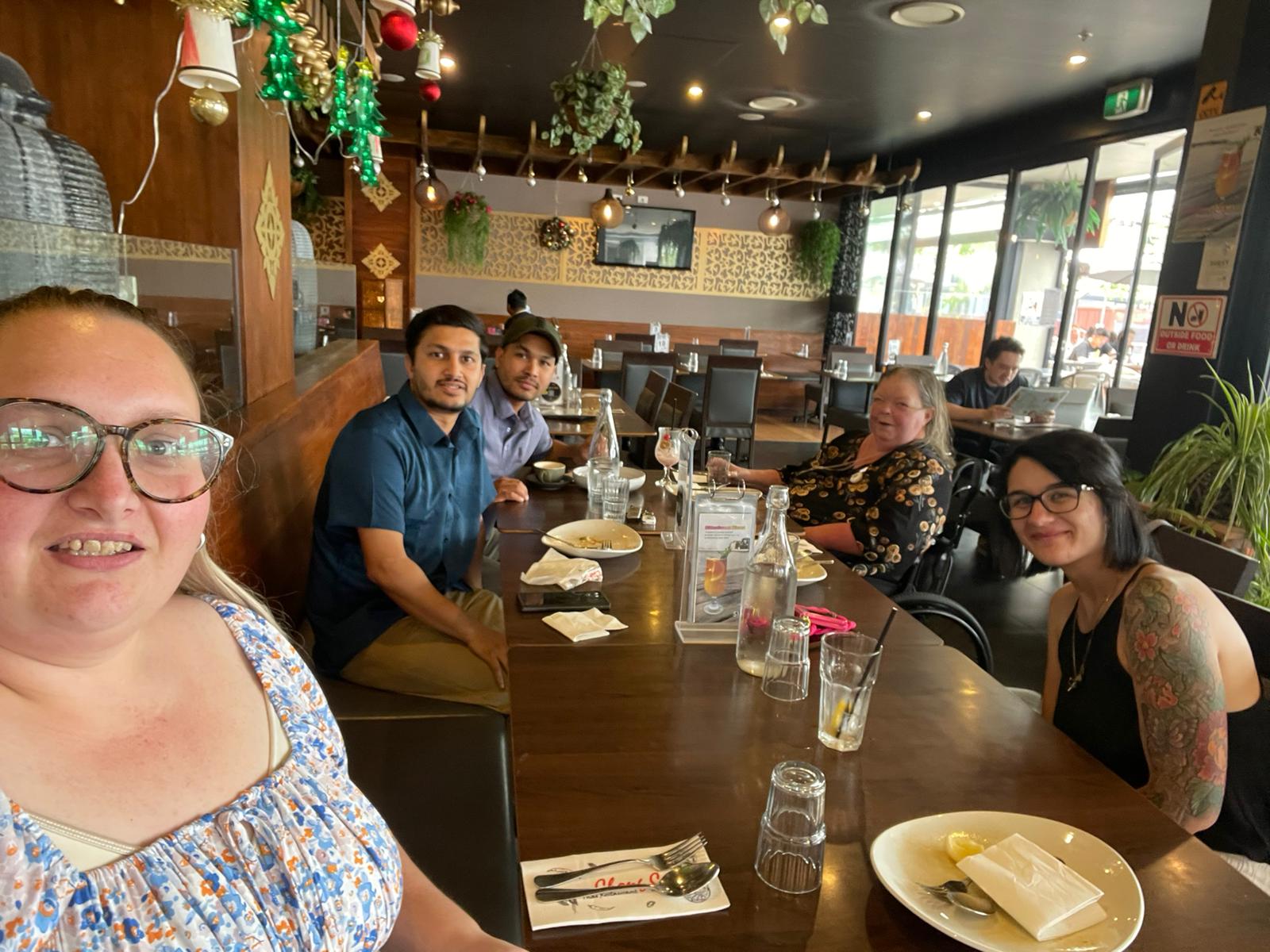
Staying engaged together: our weekly dance group in action.
Creating together: inside a Canberra Disability Art Group session.
Coming soon
A practical cooking program for participants aged 12 and over, building real-life skills, confidence, and independence in a fully equipped community kitchen.
It runs as a supportive, hands-on group, so alongside the cooking there is the chance to make friends and enjoy the process.
Expressions of interest are open now. Spaces are limited, and dates are still being confirmed, so let us know you are interested and we will keep you updated.
What you'll learn
Where
Canberra City Care, Charnwood
20 Cartwright St, Charnwood ACT 2615
A modern, fully equipped kitchen in a welcoming community space.
Examples
Every participant's program looks different. These are real examples of how interests become structured support.
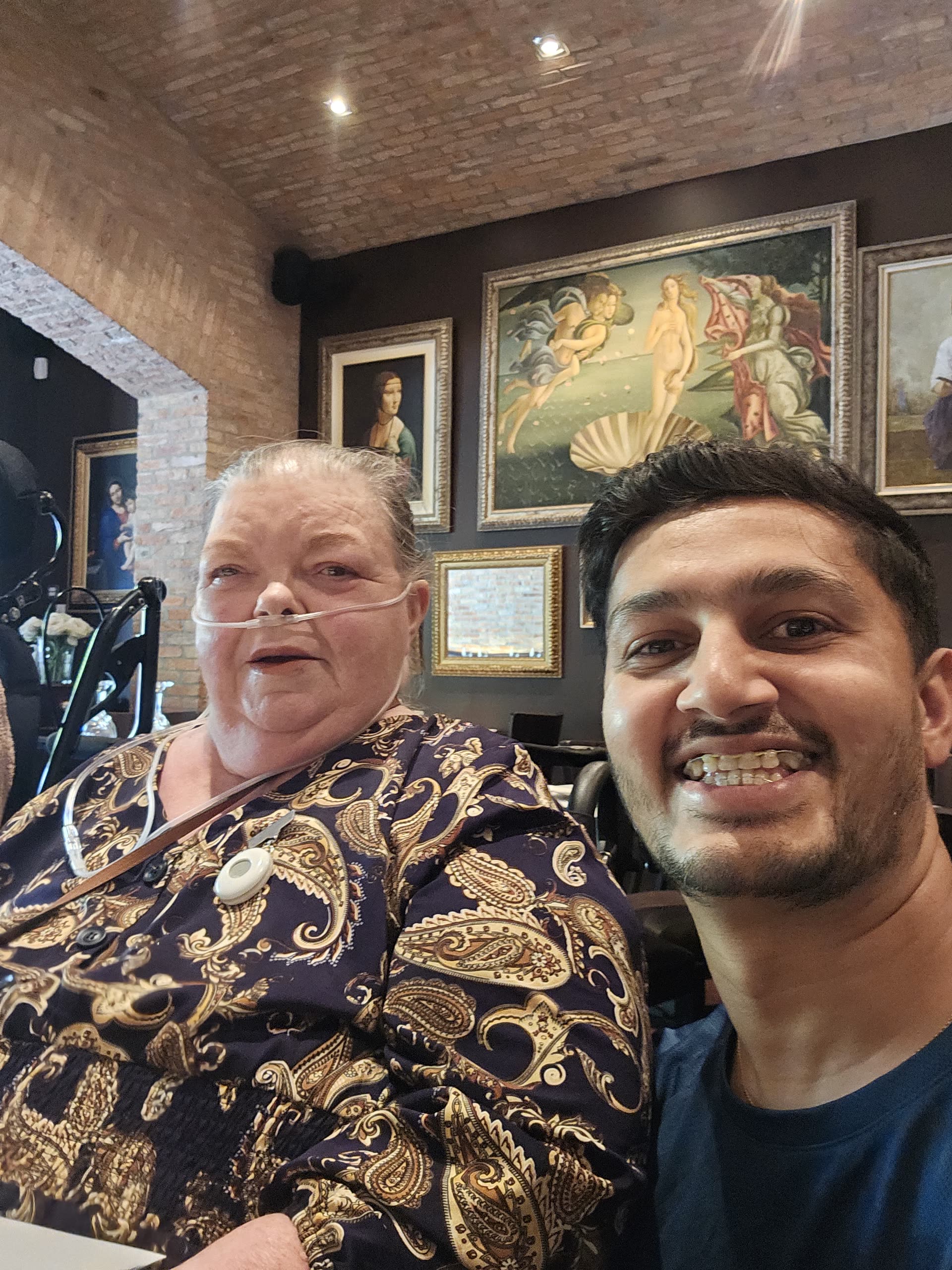
Connection in everyday community spaces
Shared experiences that matter
Belonging, not just supervision
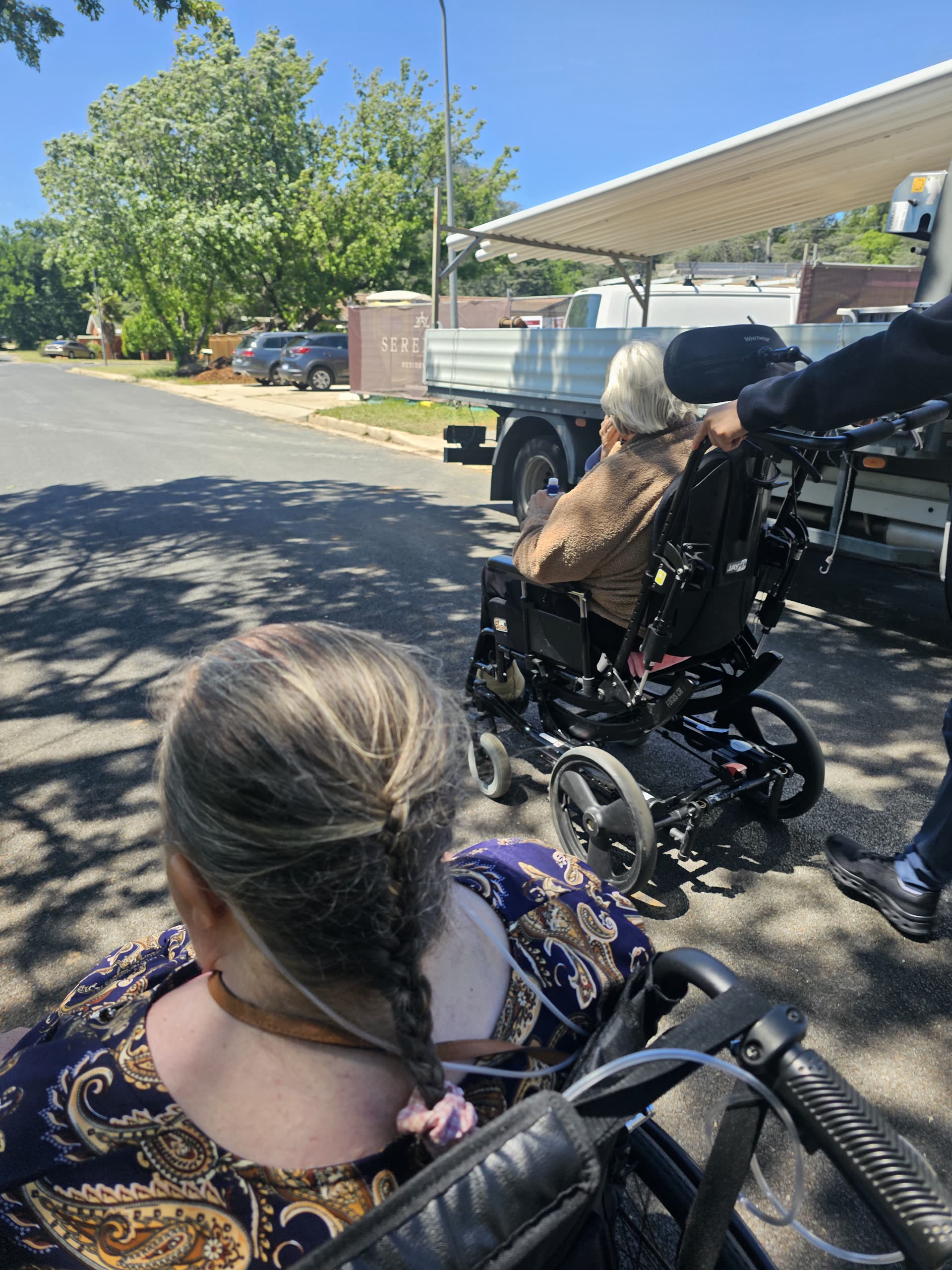
Getting out into the community with the right support
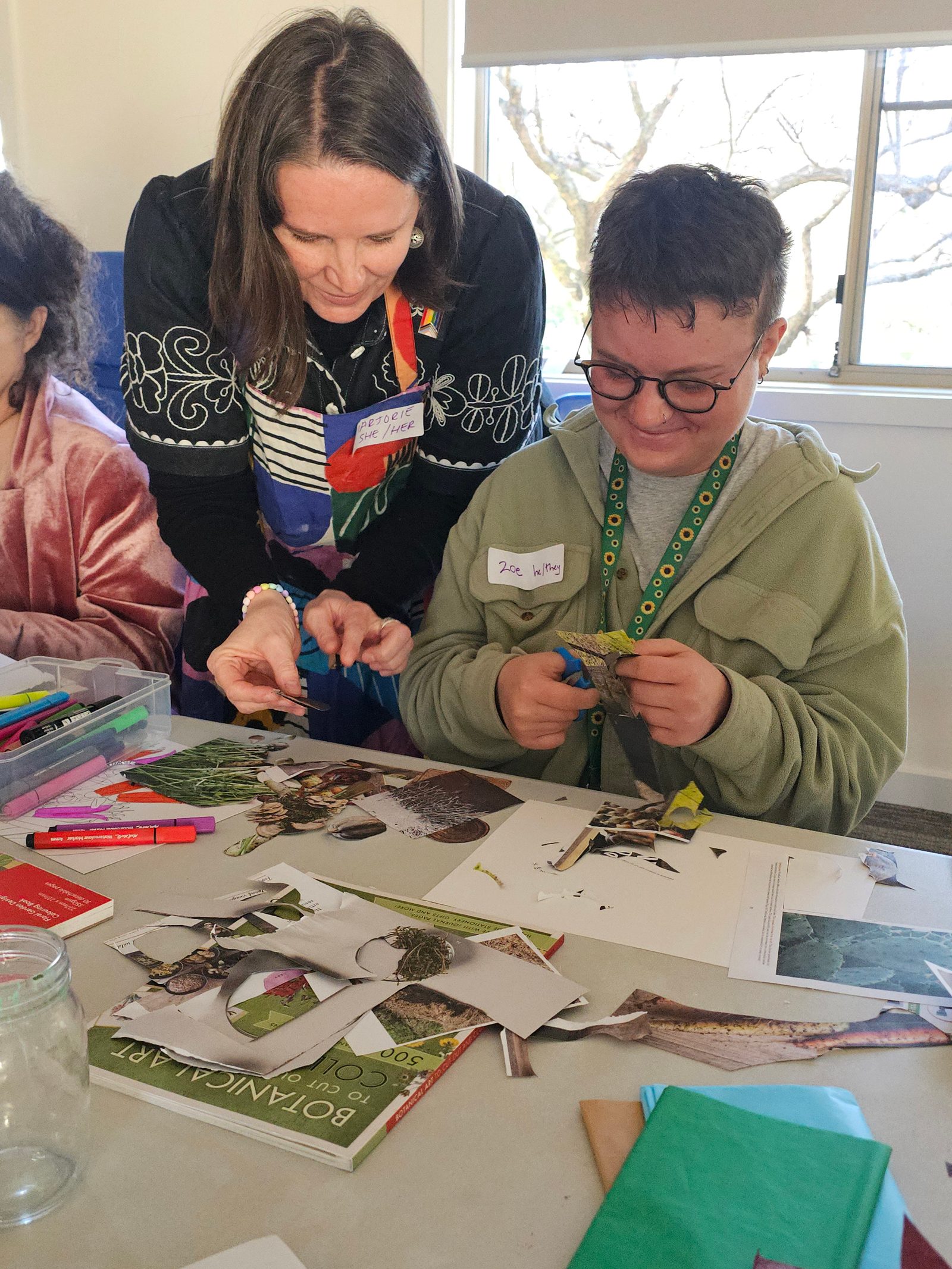
Pride in what they make
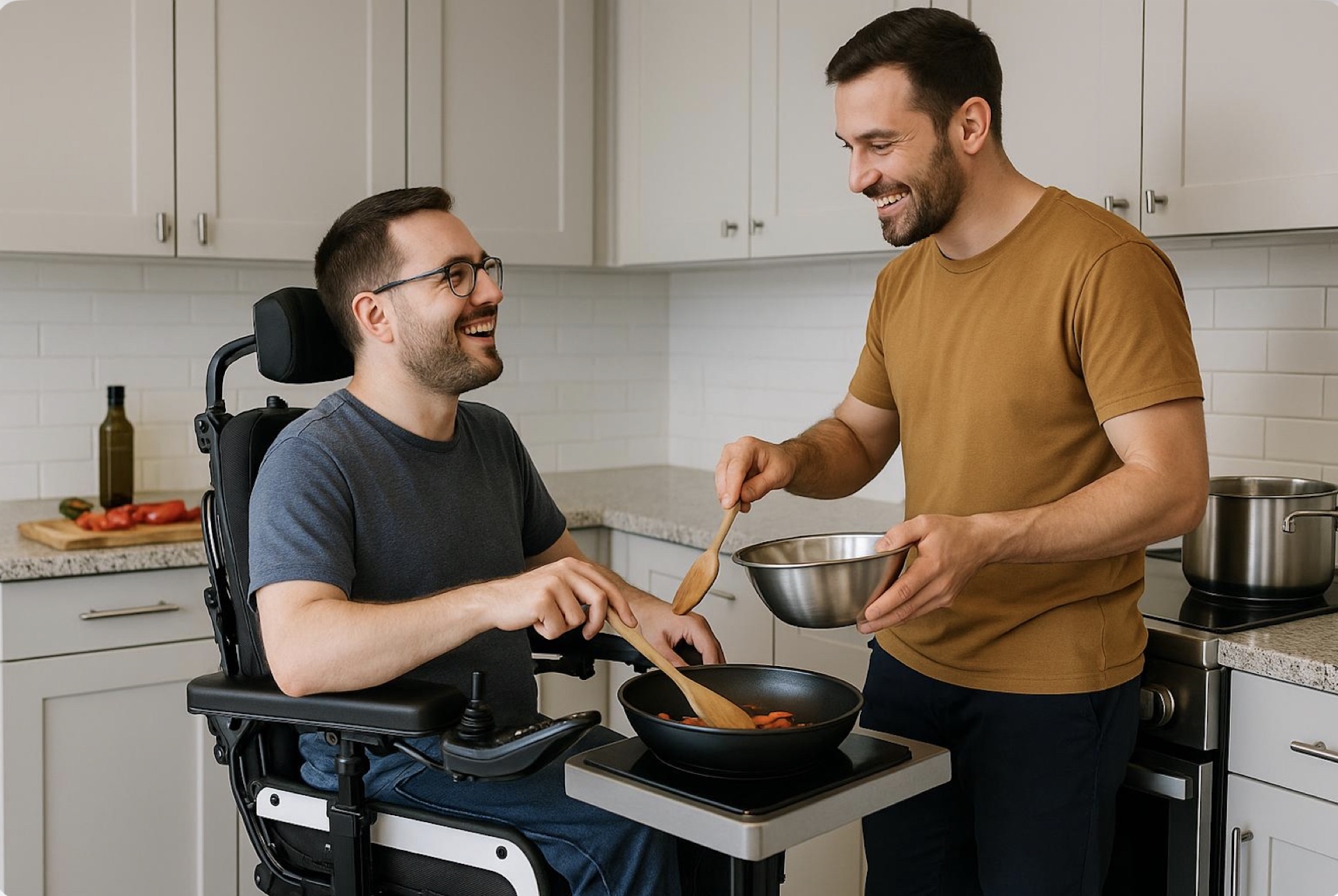
Independence and confidence in the kitchen
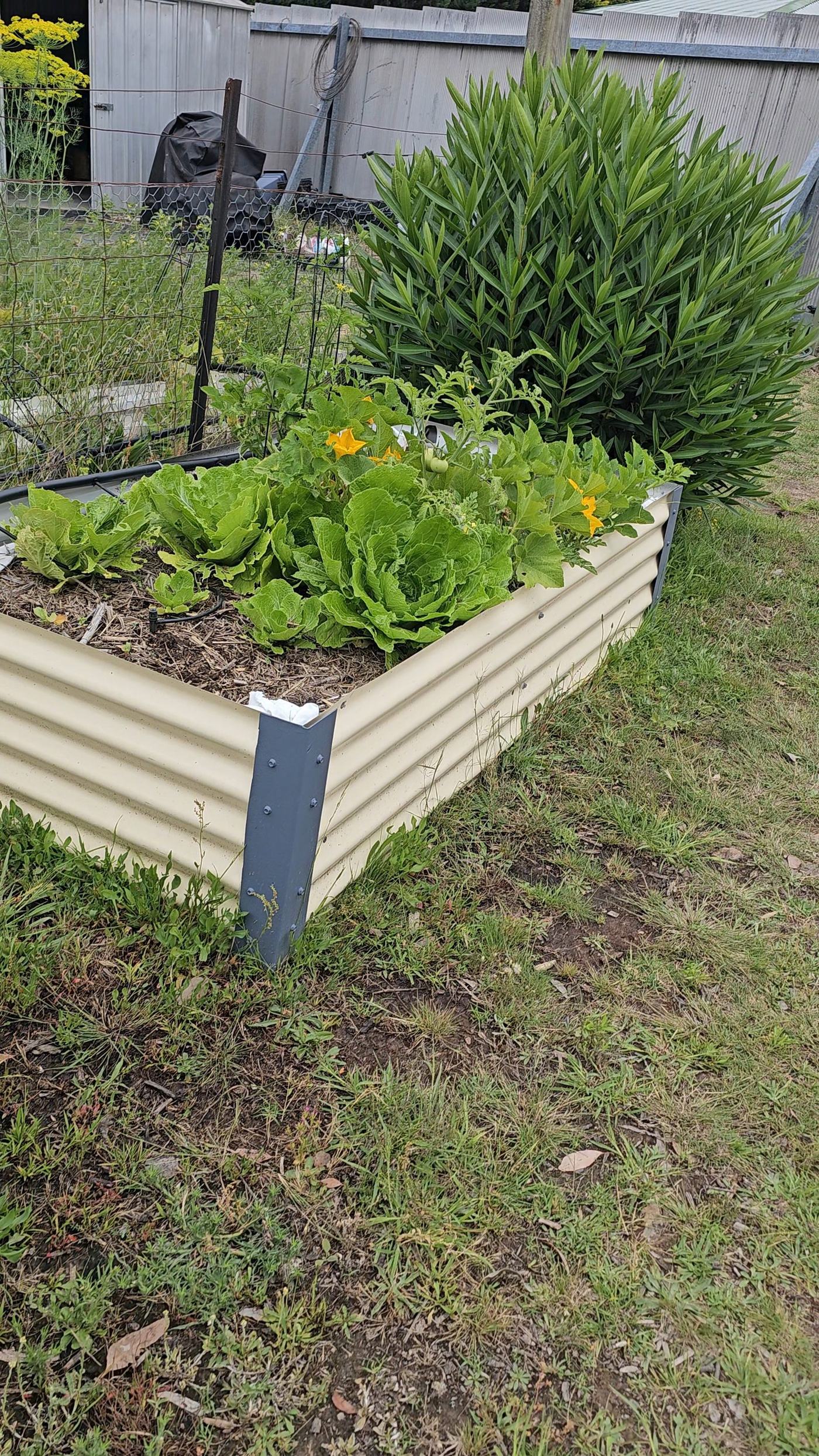
Routine, mobility, and something to care for
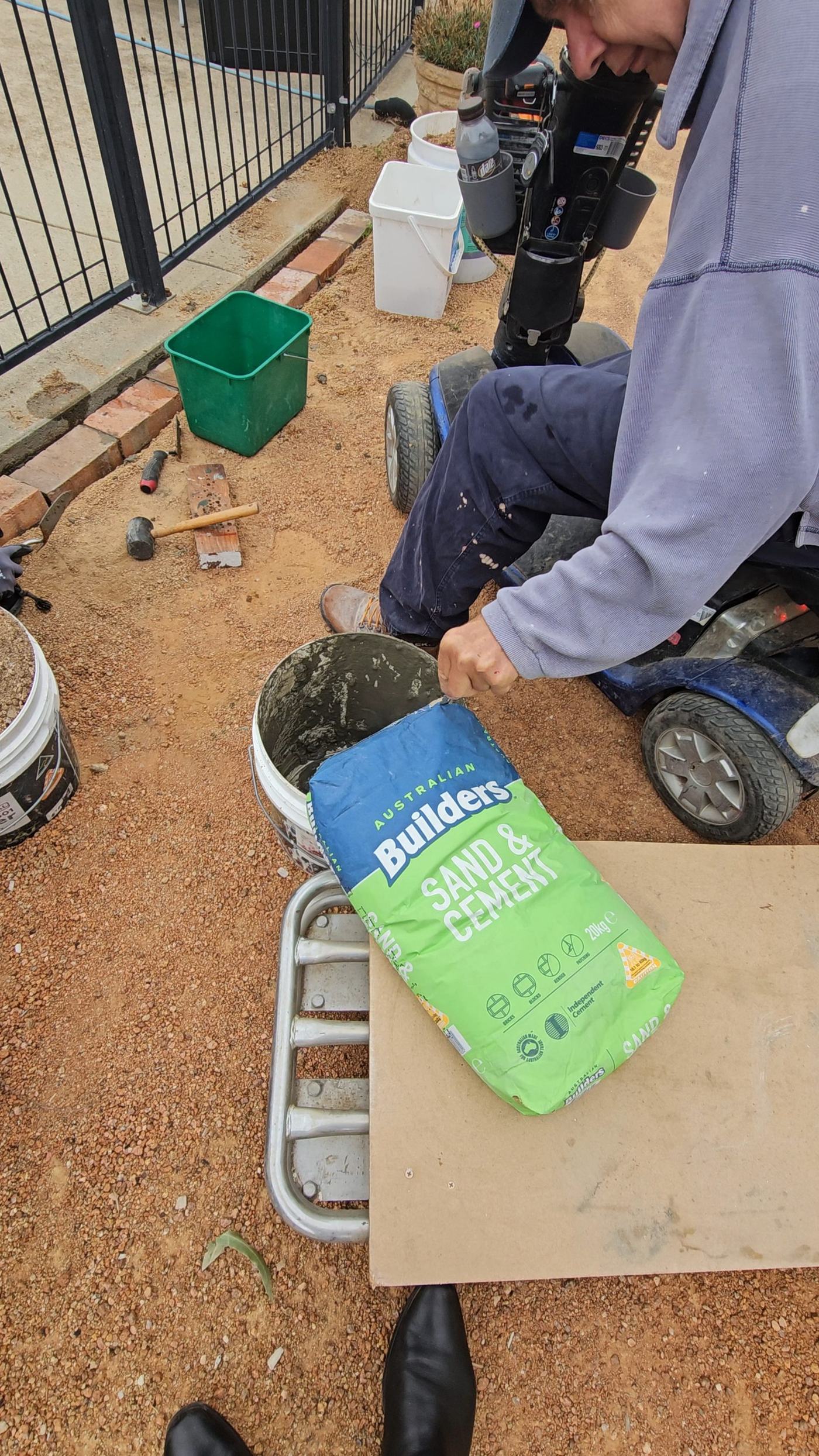
Skill, focus, and recognition for what they build
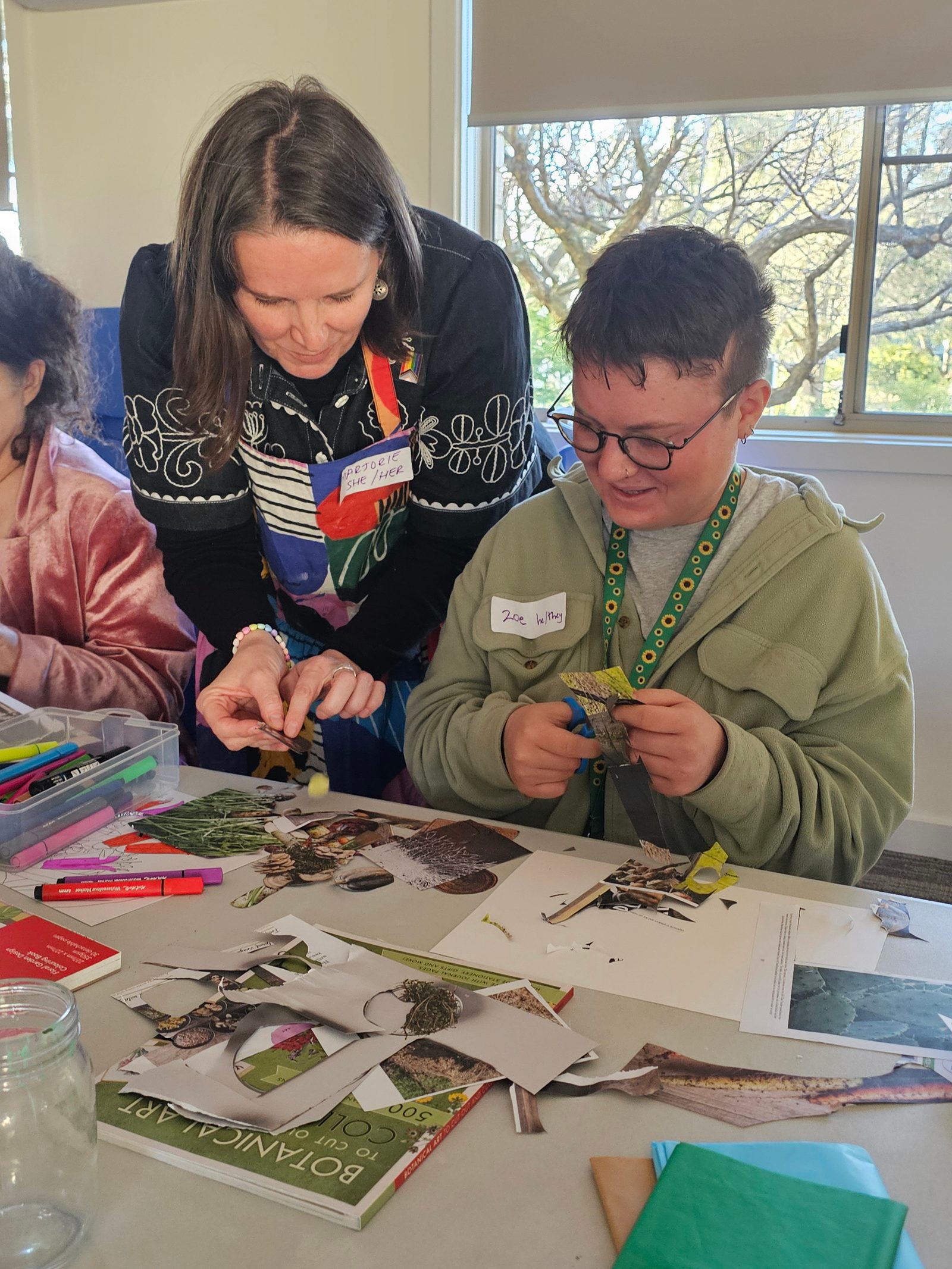
Growth that builds identity
Don't see your participant's interest here? That's the point: programs start with them, not this list.
Fit guide
The right fit matters for participants, families, and referrers alike.
Get started
The right relationships and the right opportunities to stay engaged — for participants, families, and referrers.
We'll respond to referrals within 1–2 business days.